
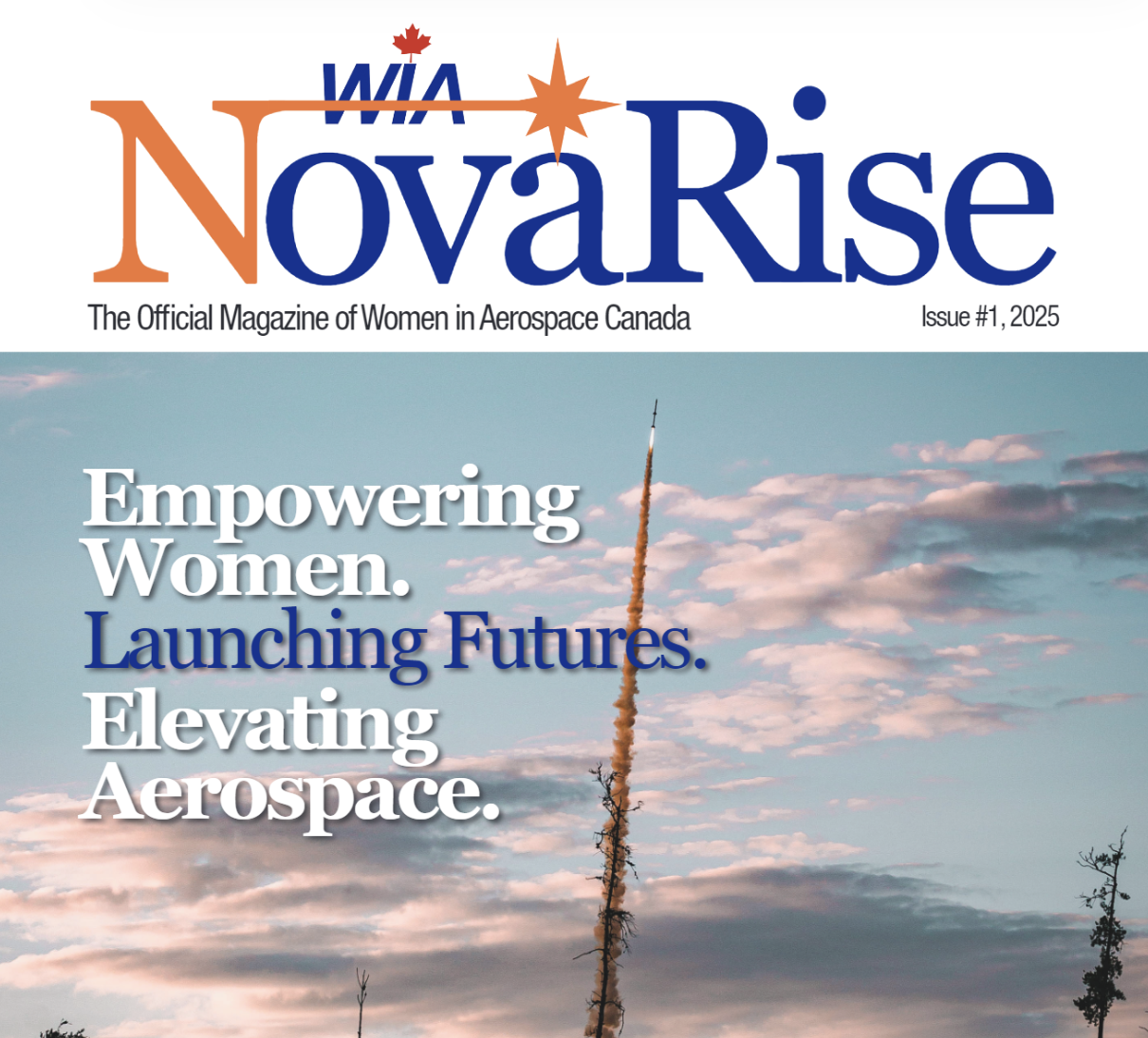
Canada’s Aerospace Moment
December 2025 marks a turning point for Canada’s aerospace industry. Bombardier’s landmark $753 million contract to deliver six Global 6500 aircraft to the Royal Canadian Air Force is more than a business deal it’s a statement of Canadian innovation and sovereignty. These aircraft will serve critical roles in aeromedical evacuations, disaster relief, humanitarian aid, and national security.
At the same time, Canada’s space sector continues to thrive, generating over $5 billion annually and employing more than 12,000 people in research and development. From robotics to satellite communications, Canada is carving out a global reputation as a leader in aerospace technology.
But the real story is not just about machines and missions. It’s about the people and increasingly, the women who are driving this momentum.
Women in Aerospace Canada: Building Pathways
Women in Aerospace Canada (WIA-Canada) has emerged as a catalyst for change. Founded to expand opportunities for women in aerospace, the organization has built a network that empowers, educates, and elevates.
· Leadership Development: Through mentorship programs and workshops, WIA-Canada equips women with the skills to step into senior roles.
· Networking & Visibility: Company tours, speaker series, and social events connect women with industry leaders and peers, ensuring their contributions are recognized.
· Education Outreach: Partnerships with schools and universities inspire young women to see aerospace as a place where they can lead and innovate.
· Global Alliances: Collaborations with international aerospace associations ensure Canadian women are part of the global conversation.
These initiatives are reshaping the culture of aerospace, making it more inclusive, resilient, and innovative.
Women Driving Innovation
Across Canada, women are leading projects that define the future of aerospace. Engineers at Bombardier are contributing to the design and integration of the Global 6500 aircraft. Researchers in robotics are advancing Canada’s legacy in space technology, building on the success of the Canadarm. Project managers and policymakers are ensuring that aerospace strategies reflect diverse perspectives and priorities.
By amplifying these voices, WIA-Canada is creating role models for the next generation, proof that women belong at the forefront of aerospace innovation.
Humanitarian Impact & Inclusion
The humanitarian missions tied to the new Bombardier aircraft highlight another dimension of women’s leadership. From disaster relief to aeromedical evacuations, women are central to operations that save lives and strengthen communities.
This humanitarian lens underscores a broader truth: aerospace is not only about exploration and defense, it is about service. And women are proving that inclusion strengthens the industry’s ability to respond to global challenges.
Looking Ahead
As Canada’s aerospace sector prepares for the next decade of innovation, WIA-Canada’s mission is more important than ever. By empowering women, the organization ensures that the industry benefits from the full spectrum of talent and leadership available.
The future of aerospace in Canada will be defined not only by contracts and technology but by inclusion, equity, and the voices of women who are shaping the skies and beyond.
Conclusion
Women in Aerospace Canada is more than an organization, it is a movement. In December 2025, as Canada celebrates new milestones in aerospace, WIA-Canada reminds us that progress is not just measured in aircraft delivered or satellites launched, but in the opportunities created for women to lead, innovate, and inspire.